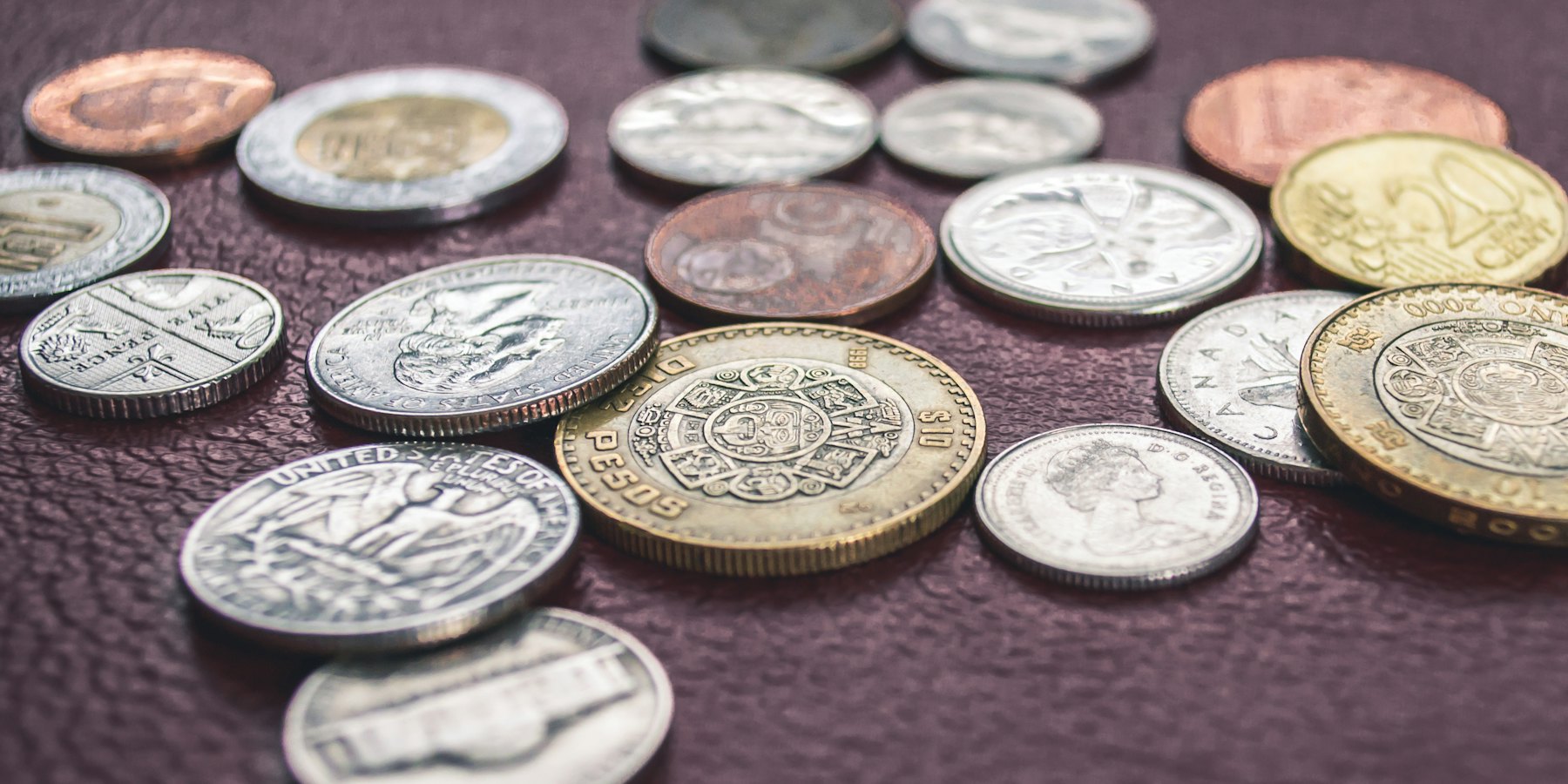
You did not ask for this collection
It arrived with an estate, in a shoebox or a filing cabinet, alongside everything else that needs dealing with. You should not have to become an expert to avoid being taken advantage of.
Put the whole thing on the counter and let somebody sort it
Inherited collections arrive in every possible state. Carefully cataloged albums from somebody who knew exactly what they were doing. Coffee cans of loose change. Envelopes with pencil notes nobody can read. Often all three in the same box.
You do not need to work out which is which. Bring it as it was found, and resist the urge to tidy, sort, clean or separate the good-looking pieces. What looks impressive is frequently ordinary, and what looks like pocket change is sometimes the reason the collection existed.
What you get is a walk through the whole thing: what is collectible, what is valued as metal, what is ordinary, and what is worth keeping.
- Estates and probate
- Boxes from a relative’s house
- Albums and folders
- Loose accumulations
- Coffee cans and jars of change
- Safe deposit box contents
- Mixed coins and currency
- Bullion found among the coins
- Foreign coins from travel or service
- Collections built decades ago
- Items with no documentation
- Things nobody in the family can identify
Four things to do before you sell anything
Do not clean anything
It is the fastest way to destroy value, it is irreversible, and it is the most common mistake.
Keep it together
Original albums, envelopes, packaging and handwritten notes all carry information. Do not throw the box away.
Get it looked at before you split it
Sets and runs are sometimes worth more intact than as individual pieces, and that is easy to undo by accident.
Take your time
There is no deadline. Anybody pressuring you to decide quickly is telling you something about themselves.
Including the parts that are not worth selling
A useful conversation about an inherited collection covers more than what somebody will pay for it. It covers what is actually in the box, in plain language, and it separates the collectible material from the metal and from the genuinely ordinary.
It also covers what to keep. Plenty of estate collections contain a handful of pieces with real family meaning and a great deal of material that is worth very little. Knowing which is which is often the actual thing people came for.
You are free to sell all of it, some of it, or none of it.
Questions we get about this
No. It is the most common way people arrive, and it is exactly what the counter conversation is for.
No. Bring it as it was found, in whatever it was found in. Original albums, envelopes and notes are useful.
No. Sell all of it, part of it or none of it.
Call 910-520-4708 first so we know roughly what is coming and can set aside the time.
Call and ask when you arrange your visit, so there are no surprises either way.
That is common. Bring whoever needs to hear it, or take the information back to them. There is no pressure to decide on the day.
Bring the box in.
Bring the coins, the notes, the bullion or the whole box. We will go through it with you at the counter.
910-520-4708Photographs on this site are illustrative stock images and do not show the shop’s own inventory; the exceptions are the photographs of the building and its signage, which were taken on site. Coins, bullion and collectible currency are commodities and collectibles. Values move with the market and with the condition and rarity of an individual piece. Nothing on this website is investment, tax or legal advice, and no price or valuation is offered or implied here. Bring your items in and we will look at them with you.