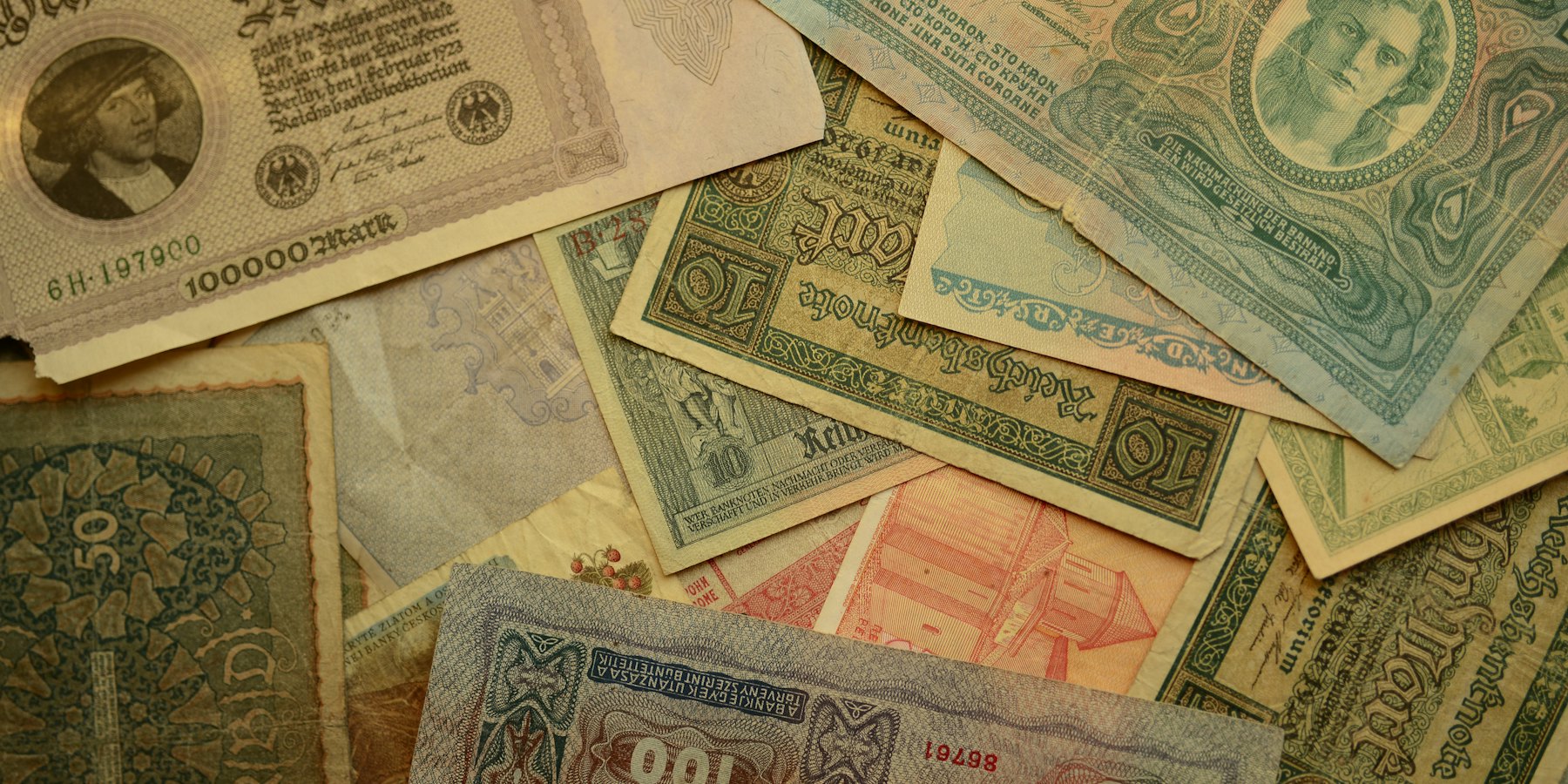
Paper currency, US and world
Old notes turn up in books, drawers and safe deposit boxes far more often than people expect, and a surprising number of them are worth more than their face.
A note in a book is worth putting on the counter
Paper currency gets overlooked because it looks like money rather than like a collectible. Silver certificates, large-size notes, national bank notes, star notes and unusual serial numbers all carry collector interest beyond face value.
Condition matters at least as much as it does with coins, and paper is far less forgiving. A fold is permanent. So is a pinhole, a tape repair and a trimmed edge.
Condition, rarity and the market all move, so no price is quoted on this website. Bring the material in and we will look at it with you.
- US large-size notes
- Silver certificates
- United States notes
- National bank notes
- Federal Reserve notes
- Star notes
- Fancy and low serial numbers
- Obsolete and broken bank notes
- Confederate and Civil War era
- World banknotes
- Accumulations found in an estate
- Notes you cannot identify
Four ways notes lose value before they reach us
Folding and flattening
A fold is permanent. Pressing a note to flatten it is visible to anyone who knows what to look for.
Tape and repairs
Tape does far more damage than the tear it was covering. Never repair a note yourself.
Trimming
Trimming a ragged edge is one of the fastest ways to turn a collectible note into a damaged one.
Damp and light
Paper is organic. Damp basements and sunny windowsills are where notes go to fade and foxing sets in.
Books, drawers and the backs of frames
Because currency does not look like a collection, it rarely gets stored like one. It ends up pressed inside books, folded in wallets kept for sentimental reasons, taped into scrapbooks, or in an envelope at the back of a drawer.
When you are clearing a house, that is worth remembering. Notes that have sat flat and dark in a book for fifty years are often in far better condition than anything that was handled.
Bring the envelope, the book or the whole drawer. Sorting it is our job.
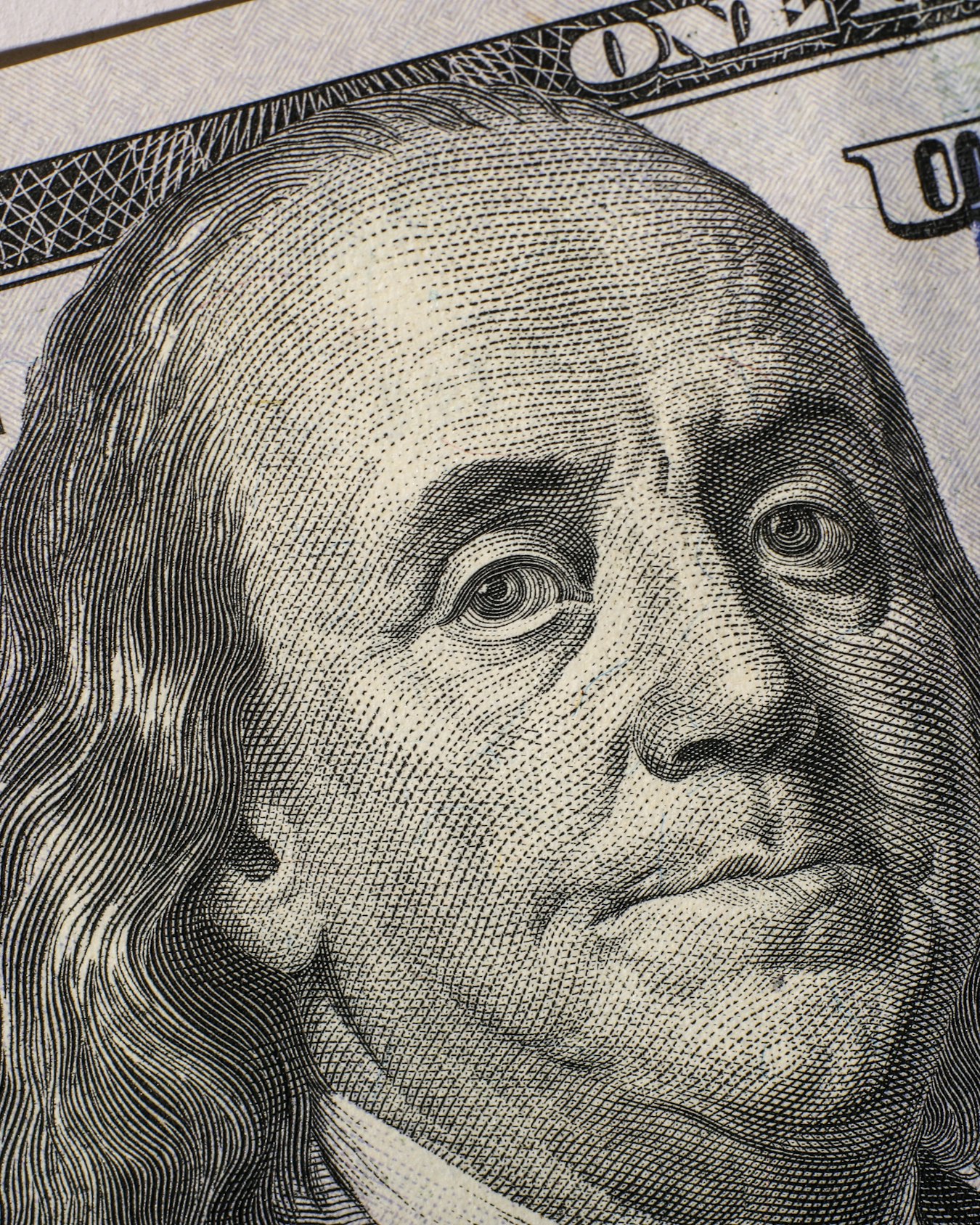
Questions we get about this
Some are worth well over face and some are worth exactly one dollar. Series, seal color, serial number and condition all matter. It takes a look.
A US note issued to be redeemable for silver. They are common enough that most are modest, but they are collected, and condition separates them.
No. Pressing a note is visible and it does not restore value. Bring it as it is.
Not necessarily, and please do not tape it. Tape causes more damage than the tear. Bring it in and let it be assessed as it is.
Yes, single notes and accumulations both.
Bring the notes in.
Bring the coins, the notes, the bullion or the whole box. We will go through it with you at the counter.
910-520-4708Photographs on this site are illustrative stock images and do not show the shop’s own inventory; the exceptions are the photographs of the building and its signage, which were taken on site. Coins, bullion and collectible currency are commodities and collectibles. Values move with the market and with the condition and rarity of an individual piece. Nothing on this website is investment, tax or legal advice, and no price or valuation is offered or implied here. Bring your items in and we will look at them with you.