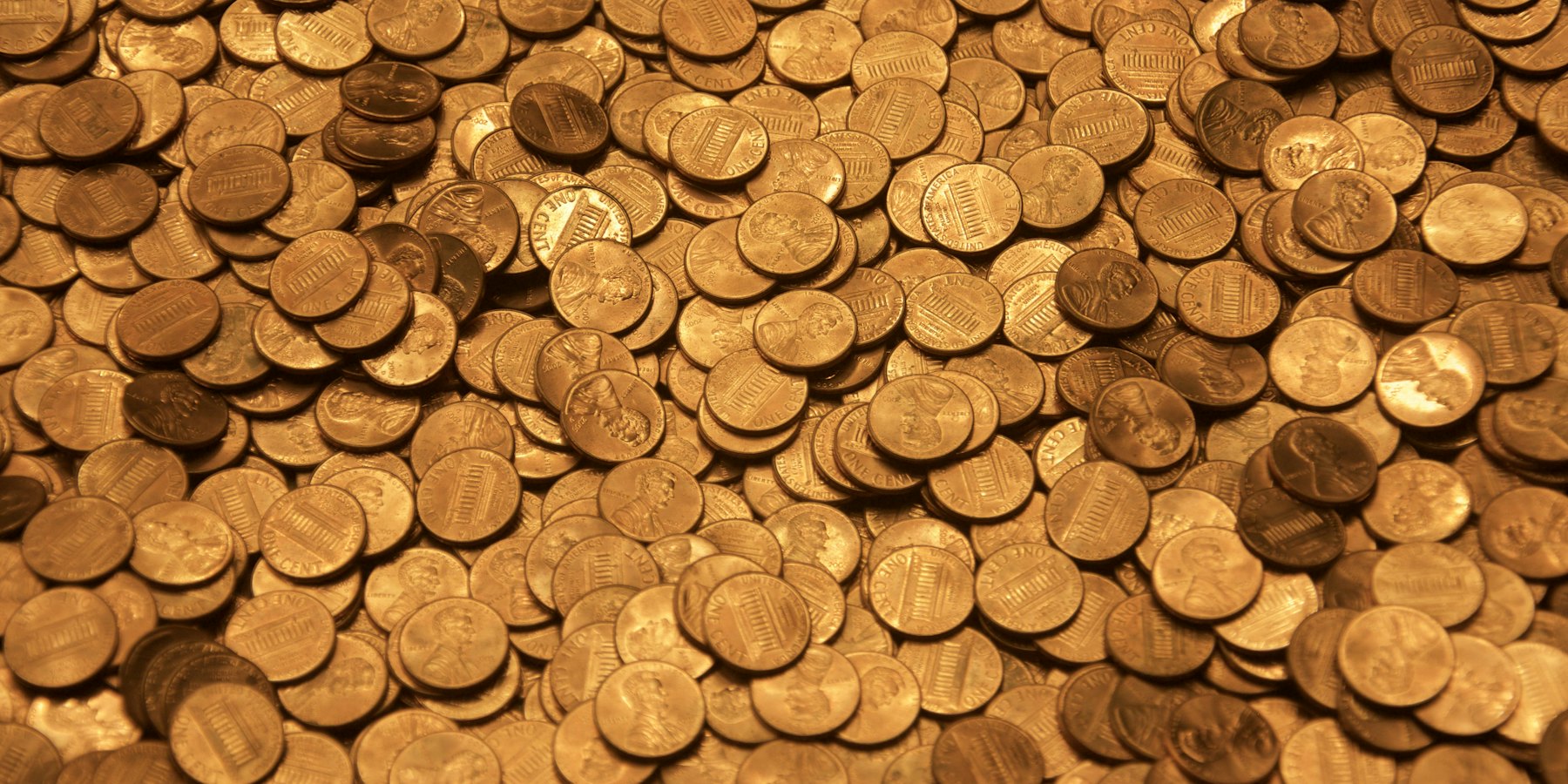
Collectible coins, US and world
Graded or raw, a single piece or a collection built over decades. This is the part of the trade where condition changes everything.
Date and mint get you in the door. Condition decides the rest.
Most people arrive believing age is what matters. It is a factor, but a common coin from 1890 in worn condition can sit far below a much newer coin that survived untouched. Rarity and condition do most of the work.
Mint marks matter more than almost anything else people overlook: the same date struck at a different mint can be an entirely different coin in collector terms. So can an error, a variety, or an original surface that was never cleaned.
None of that is obvious from a photograph, and very little of it is obvious to somebody who has not spent years looking. That is what the counter is for.
- US type coins
- Morgan and Peace dollars
- Early US coinage
- Gold coins
- Commemoratives
- Proof and mint sets
- World coins
- Ancient coins
- Error coins and varieties
- Graded and slabbed material
- Raw coins in original holders
- Long-built collections
What actually gets examined
Identification
What the coin is: country, date, denomination, mint. Not always obvious on worn or unfamiliar pieces.
Authenticity
Counterfeits exist across the whole range, not only at the top of the market. It gets checked.
Condition
Wear, surfaces, strike, and whether it has been cleaned. This is usually where most of the value sits.
Context
Whether the piece is better on its own or as part of the set it came in, and whether it is worth keeping rather than selling.
What a slab is, and what it is not
A graded coin has been examined by a third-party grading service, assigned a numeric grade and sealed in a tamper-evident holder, usually called a slab. It makes a coin easier to trade because the buyer is not relying purely on the seller’s opinion of condition.
It does not make a coin valuable. A common coin in a slab is still a common coin, and grading costs money, so it is not worth doing on everything.
Raw coins are perfectly normal and a great deal of good material trades that way. If you are wondering whether something in your collection is worth submitting, that is a sensible question to bring in.
Questions we get about this
Date and mint mark are the starting point, then condition. Bring it in rather than relying on a photograph, because the details that matter are hard to see in one.
Yes, graded and raw both.
Sometimes, and often not. Grading costs money, so it makes sense on material where the grade will change how the coin trades. Bring the coins in and ask.
Age alone does not do it. Rarity and condition drive collectible value, and plenty of very old coins are common.
Bring it in. Counterfeits turn up at every level of the market and there is no embarrassment in having something checked.
Bring the collection in.
Bring the coins, the notes, the bullion or the whole box. We will go through it with you at the counter.
910-520-4708Photographs on this site are illustrative stock images and do not show the shop’s own inventory; the exceptions are the photographs of the building and its signage, which were taken on site. Coins, bullion and collectible currency are commodities and collectibles. Values move with the market and with the condition and rarity of an individual piece. Nothing on this website is investment, tax or legal advice, and no price or valuation is offered or implied here. Bring your items in and we will look at them with you.