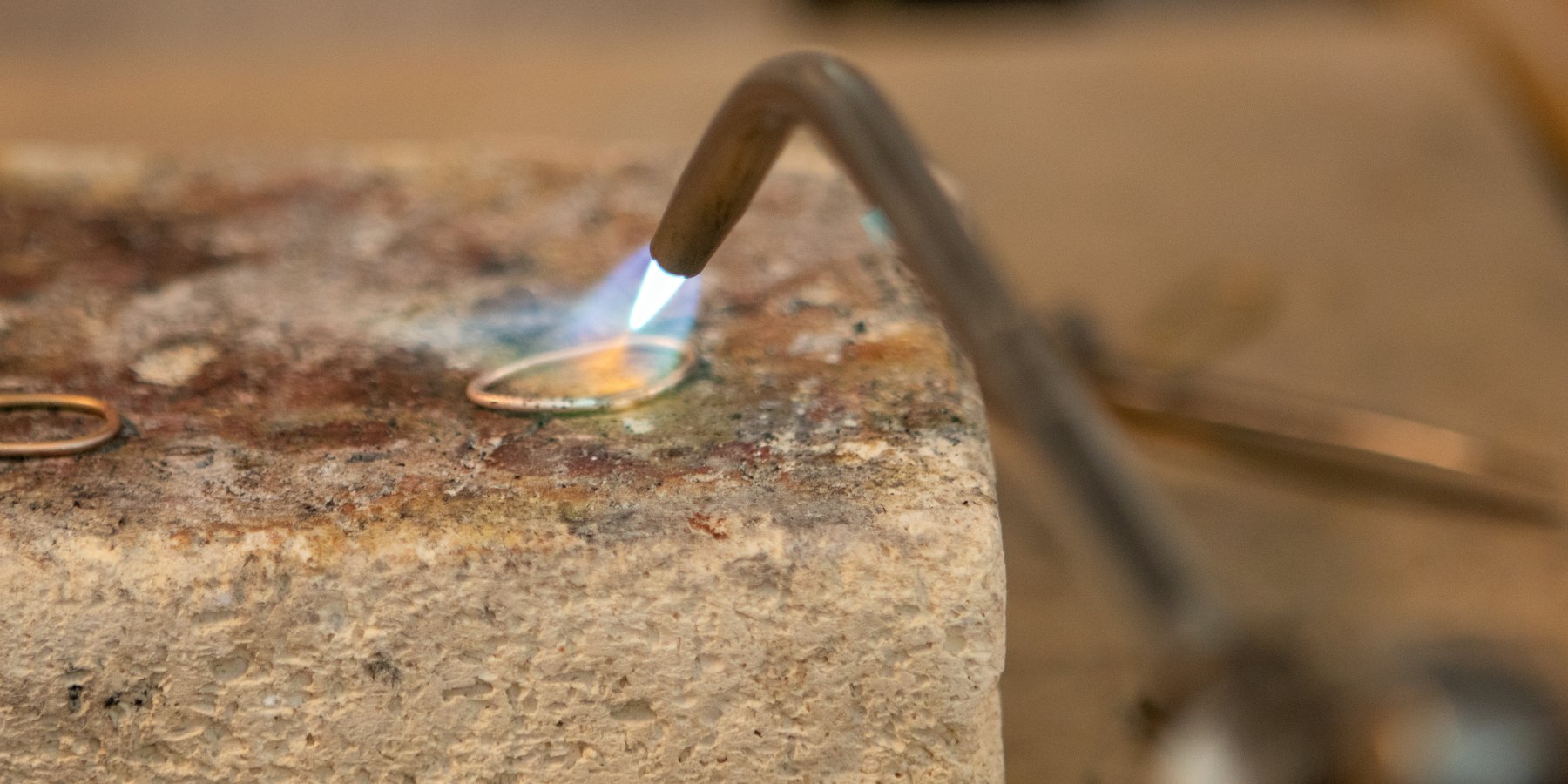
A refinery, not just a resale counter
Most shops in this category only buy what they can put back in a case. When a piece is worth what it contains rather than what it looks like, refining is the honest route, and it is the reason the sign outside says Coin Shop & Refinery.
Metal that is worth more melted than mounted
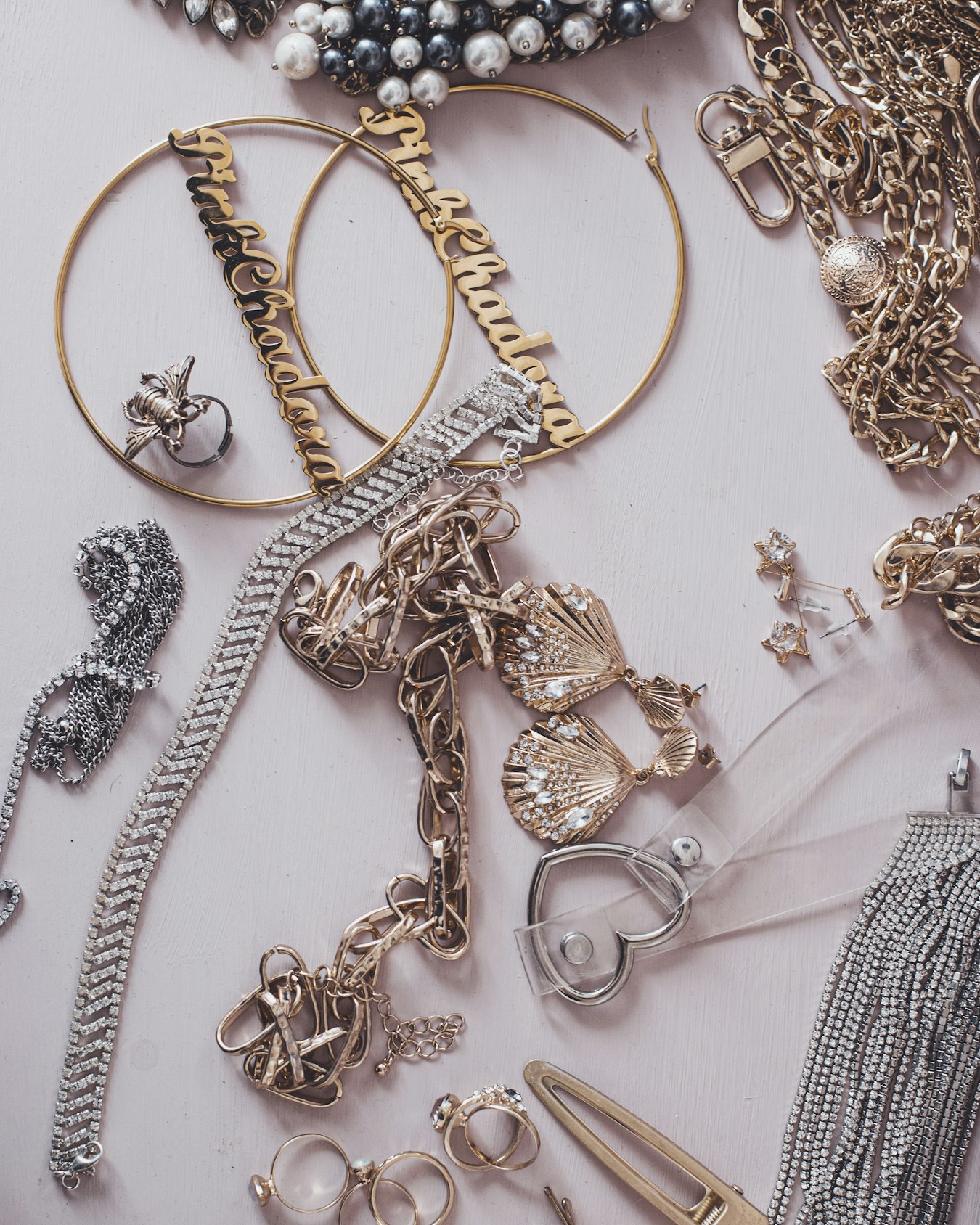
A gold chain with a snapped clasp, an earring whose partner vanished in 1994, a ring that no longer fits anyone, a drawer of sterling that nobody polishes any more. None of that is going into a display case, and pretending otherwise does the owner no favors.
Refining is what happens to material valued on its metal content. The piece is identified, tested for karat or fineness, and weighed, and it is the metal that carries the value from that point on.
Not everything should be refined. Some pieces are worth more as they are, whether for a maker’s mark, an era, a stone, or simply because somebody in the family will want it. Part of the job is telling you when that is the case before anything is irreversible.
Condition, rarity and the market all move, so no price is quoted on this website. Bring the material in and we will look at it with you.
- Karat gold jewelry
- Broken and damaged pieces
- Single and odd earrings
- Worn chains and bracelets
- Class rings
- Dental gold
- Sterling flatware
- Sterling holloware and trays
- Silver scrap
- Gold-filled and plated items, assessed honestly
- Mixed lots from an estate
- Pieces you have been told are worthless
Identified, tested, weighed, explained
Sorted
Gold from silver, karat from plated, and anything that should not be refined at all set to one side.
Tested
Karat or fineness confirmed rather than assumed. Marks lie, wear hides them, and plated pieces are common.
Weighed in front of you
On the counter, where you can see the scale. Gold and silver are kept separate.
Explained before anything happens
What is metal, what is not, and which pieces you may want back rather than refined.
Some of it is worth more than its weight
Refining is permanent, which is exactly why it should not be the automatic answer. Designer and signed pieces, certain periods, unusual stones and some coins mounted as jewelry are all worth more intact than melted.
So are pieces with a story attached. Nobody has ever regretted keeping a grandmother’s ring; a fair few people regret the opposite.
Bring it in and it gets looked at properly first. If something should not go in the crucible, you will be told so.
Questions we get about this
It means material valued on its metal content does not have to be resold as-is. The sign outside reads Coin Shop & Refinery, Gold & Silver.
Yes. Broken, bent, worn through, missing stones, missing its pair. Condition matters far less once a piece is valued on its metal.
Bring them and they will be tested. Plated and gold-filled items contain very little gold, and you will be told that plainly rather than strung along.
Sterling flatware, holloware and scrap silver are all normal material here.
The scale is on the counter and the weighing happens in front of you.
There is no need. For anything that might be collectible rather than scrap, please do not: cleaning can reduce what it is worth.
Then you get told that before anything happens to it. Refining cannot be undone, so it is the last option, not the first.
Bring the gold in.
Bring the coins, the notes, the bullion or the whole box. We will go through it with you at the counter.
910-520-4708Photographs on this site are illustrative stock images and do not show the shop’s own inventory; the exceptions are the photographs of the building and its signage, which were taken on site. Coins, bullion and collectible currency are commodities and collectibles. Values move with the market and with the condition and rarity of an individual piece. Nothing on this website is investment, tax or legal advice, and no price or valuation is offered or implied here. Bring your items in and we will look at them with you.